Hormonal health & energy
PCOS, thyroid imbalances and relentless fatigue are among the fastest-growing health concerns in Indian women. The good news: in most cases, they share fixable root causes. Functional nutrition can get you from exhausted and confused to energised and clear-headed, using the food already in your kitchen.
Do any of these sound familiar?
These symptoms are your body's way of telling you something is off at a deeper level. They are common, but they are not normal.
Tired even after 8 hours of sleep, dragging through mornings no matter how early you go to bed
Irregular or painful periods: cycles that show up whenever they feel like it, or cramps that sideline you for days
Weight that doesn't budge despite dieting. You're eating less than everyone around you and still not losing
Hair falling more than usual, with clumps in the shower drain or on your pillow that quietly scare you
Jawline and chin acne in adult life. Breakouts you haven't had since school, now showing up every month
Brain fog after lunch, a mental haze that makes afternoon work feel like wading through cement
Cold hands and feet even in summer: you're the one reaching for a shawl when everyone else is sweating
Mood swings that peak around your period, with irritability or anxiety that feels bigger than "just PMS"
Diagnosed PCOS or a "borderline" thyroid result, and you were told to "watch and wait" with no clear plan of action
The science behind it
Most people think PCOS is "just a hormone problem." It isn't. At its core, PCOS is usually driven by insulin resistance: the cells stop responding normally to insulin, blood sugar spikes, and the pancreas pumps out more insulin to compensate. Elevated insulin then tells the ovaries to produce more androgens (male hormones like testosterone), which disrupts ovulation and causes the familiar cascade: irregular cycles, acne, hair loss.
That's why low-calorie dieting alone rarely helps and often hurts. If you're eating very little but the food is still spiking your blood sugar, the insulin problem continues. The fix is not less food; it's smarter food.
Hypothyroidism (including the subclinical "borderline" kind your doctor wants to "monitor") is most often autoimmune: in a large eight-city Indian study, about 1 in 5 adults had thyroid antibodies. Nutrition still matters. Iodine is needed to make thyroid hormones, and selenium and zinc are part of the enzymes that make and activate them, so a diet short on these gives your thyroid less to work with.
Then there is the gut-thyroid axis: roughly 20% of T4-to-T3 conversion happens in the gut via a specific enzyme. A compromised gut microbiome is common after years of antibiotics, refined-flour diets or chronic stress, and when that happens thyroid function suffers even when the gland itself is fine.
Both PCOS and thyroid dysfunction slow cellular metabolism and disrupt sleep architecture, which is why chronic fatigue is the one symptom almost everyone with these conditions shares. Fixing it requires addressing the underlying drivers, not caffeine and willpower.
The approach
No crash diets. No supplements before food habits are fixed. No generic plans. Everything is sequenced the way your body needs it.
Before anything else, we focus on flattening the blood-sugar roller coaster that drives both insulin resistance and energy crashes. This is not about "eating less carbs"; it's about eating smarter ones.
Chronic low-grade inflammation amplifies both PCOS androgen production and thyroid dysfunction. What you remove from your diet matters as much as what you add.
Once food habits are in place, we layer in specific nutrients that have the strongest clinical evidence for PCOS and thyroid health, through food where possible and supplements where necessary.
Long cardio sessions raise cortisol, which worsens both insulin resistance and T4-to-T3 conversion. We recommend movement that builds metabolic health without adding physiological stress.
Why Rishabh
Rishabh's approach isn't borrowed from textbooks written for a Western diet. It's built on 7 years of working with Indian bodies, Indian kitchens and the specific nutritional gaps that show up in the Indian context: the vitamin D deficit, the high-carb load that comes with a wheat-and-rice staple diet.
He coaches your training himself and works alongside our clinical psychologist, so every lever that matters (food, movement, stress, mindset) is covered.
Learn more about Rishabh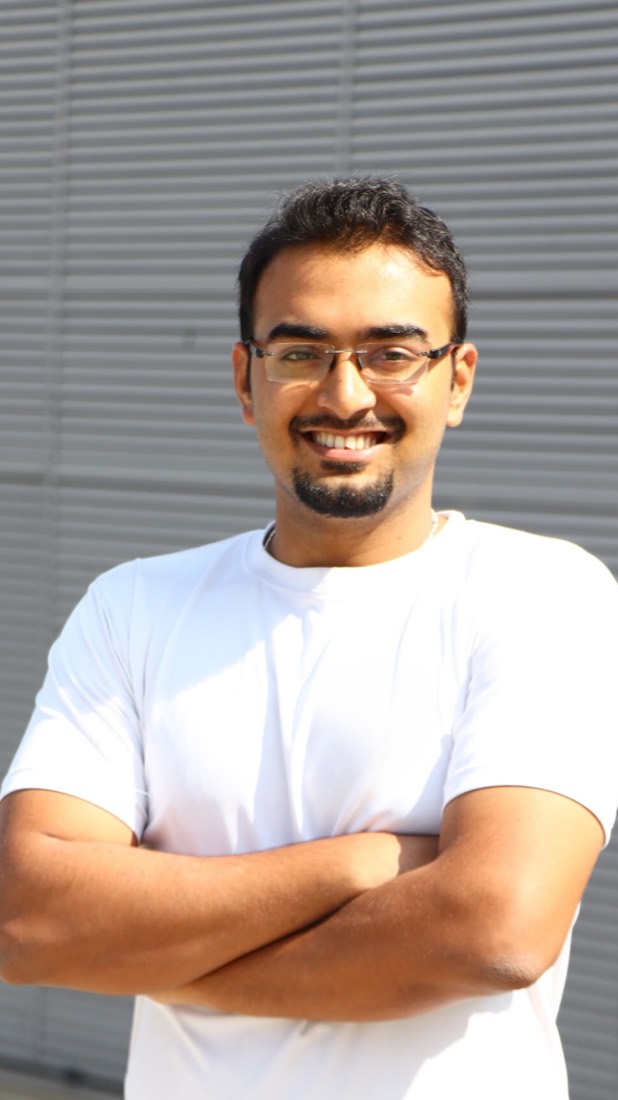
Real results
Results vary by individual, but the pattern is consistent: when the root cause is addressed, the symptoms follow.
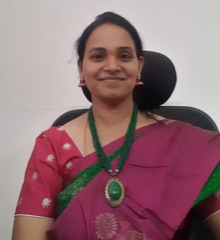
"It's been an amazing journey. The team is always motivating and friendly. With the lifestyle changes I've become far more active and I'm eating healthy food I enjoy. I never thought sustainable weight loss was possible for me, but here we are."
Questions
PCOS isn't something anyone can honestly promise to cure: it's a syndrome, a cluster of features driven by underlying metabolic patterns. But for many women, especially when insulin resistance is part of the picture, nutrition and lifestyle changes can noticeably improve symptoms such as irregular periods, acne and hair loss, alongside whatever your gynaecologist recommends. The goal of our work together is to help your body function well with less need for constant intervention.
The standard TSH reference range (0.5 – 5.0 mIU/L in most Indian labs) is broad enough that you can have significant symptoms and still be told you're "normal." Functional medicine practitioners typically look for TSH closer to 1.0 – 2.5 as optimal, and also assess free T3, free T4 and thyroid antibodies (TPO and TgAb) rather than TSH alone. A borderline result isn't a reason to panic, but it is a strong signal that your thyroid is under stress, usually nutritional or cortisol-related, and that addressing those stressors now can prevent the decline from becoming something that requires medication.
Some of them, yes. In PCOS the evidence is strongest: insulin resistance is strongly influenced by diet, and when weight and diet improve, insulin and androgen levels often come down and cycles can become more regular, usually over a few months of consistent effort. For thyroid, the evidence is narrower. In people with Hashimoto's, selenium supplements in trials lowered thyroid antibodies and TSH a little but did not change T4 or T3 levels, so supplements are worth discussing with your doctor rather than starting on your own. Food can cover the basics: iodised salt, dairy, eggs, seeds and legumes. None of this replaces medication your doctor has prescribed.
Not necessarily, and certainly not without evidence that it's helping you specifically. There's a lot of noise online about dairy and gluten worsening thyroid and PCOS. For some people with autoimmune thyroid disease (Hashimoto's), reducing gluten does reduce antibody levels. But blanket elimination of roti and dahi without testing whether you're actually reacting to these foods often makes nutrition harder and social life more stressful, without a proportional benefit. Our approach is to assess your specific pattern first, make evidence-based changes, and only eliminate foods if they're genuinely causing a problem for you, not because a wellness influencer says to.
It's complementary, not a replacement. Your doctor manages diagnosis and medication; we manage the food, movement and lifestyle variables that determine how well your body responds, and whether you ever need medication in the first place. Many of our clients come to us alongside their gynaecologist's care, and we encourage that. What doctors typically don't have the bandwidth to do is spend 55 minutes mapping out your full diet, sleep, stress and movement patterns and then build a personalised plan around them. That's the gap we fill. If you're already on thyroid medication or an OCP for PCOS, we work with that rather than against it.
Book a free 15-minute fit call: we'll talk through your situation and the best next step. No pressure, no hard sell. Just an honest conversation.
Most popular first step
₹1,500 / 55-min session
1-on-1 wellness consultation